
Optimal Timing for Shower Installations
Choosing the optimal time for shower installations involves considering factors such as weather conditions, project scope, and personal scheduling. Typically, the most suitable periods are during mild weather seasons to facilitate outdoor work and minimize weather-related disruptions. Planning during off-peak seasons can also lead to better scheduling flexibility and potentially lower costs.
Installing showers during mild weather reduces delays caused by rain or extreme temperatures, ensuring smoother project completion.
Larger renovations benefit from scheduling in seasons with fewer external disruptions, allowing for extended work periods.
Aligning installation dates with personal or professional schedules can minimize inconvenience and ensure availability.
Off-peak seasons often provide better access to materials and contractor availability, leading to efficient project execution.

A professional shower installation underway, showcasing proper setup and craftsmanship.

Contemporary shower designs with sleek fixtures and tiling for a stylish upgrade.
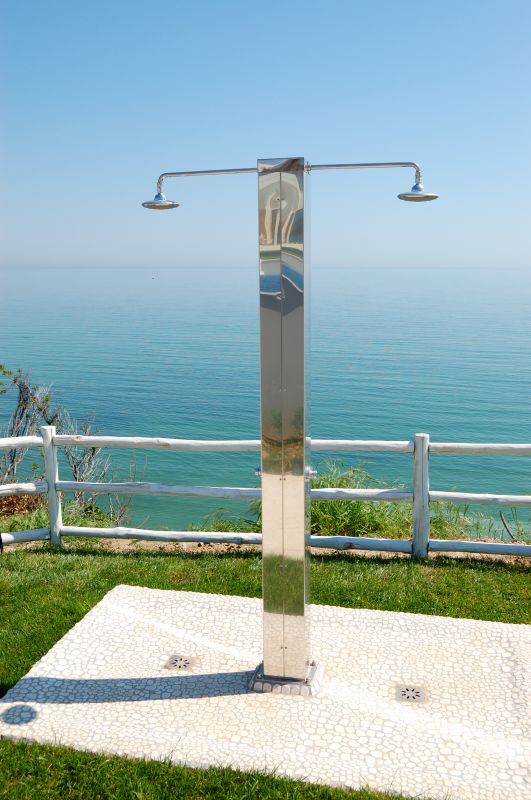
An outdoor shower installation, ideal for warm climates and outdoor living spaces.
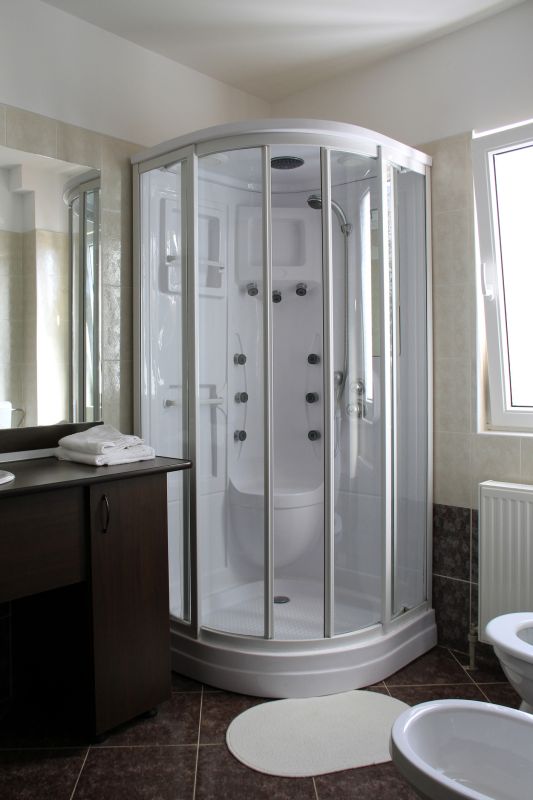
A fully renovated bathroom featuring a new shower installation and modern amenities.
| Season | Advantages |
|---|---|
| Spring | Ideal weather for outdoor and indoor installations, moderate temperatures. |
| Summer | Best for outdoor showers, longer daylight hours, and warm weather. |
| Fall | Suitable for indoor projects, less rain, and cooler temperatures. |
| Winter | Less common, but possible with indoor installations and controlled environments. |
Shower installations are a common upgrade in bathroom remodeling projects, offering both functional and aesthetic benefits. Proper planning ensures the installation process is efficient and minimizes disruptions. Advances in shower technology and design provide options ranging from simple upgrades to luxurious spa-like setups.
Statistics indicate that the most popular times for shower installations are during spring and summer, aligning with favorable weather conditions and contractor availability. Proper timing can lead to a smoother installation process, reduced costs, and long-term satisfaction with the new setup.